Photo: from the book's Goodreads page (and from my review)
I've got a major sinus infection and fever, that the doctor said looked like strep or the flu, and she just said she thinks I should be out of action for at least three days, so forgive the lack of structure here. Doing my best...
As Shakespeare's Caesar showed us (and Orwell's Animal Farm), when someone in charge repeats something often enough, the masses believe it. (Defense Exhibit A: Iraq having weapons of mass destruction. Exhibit B: Everything Mr. Orange said to win the chair he never sits in.) Charles Leerhsen's Ty Cobb: A Terrible Beauty attempts to show that everything we've thought, read and seen in a movie lately about Ty Cobb is either fiction, exaggerated, or misleading.
He largely succeeds, but he gets carried away with his own success. He inserts lame jokes into the text. He happily shows how he's correct and writers like Al Stump aren't. He's right, but does he have to be so gleeful and boastful about it? And most of the errors he points out about Cobb aren't direct falsehoods, but errors of degree. Was Cobb the psychotic we've learned about? No, he wasn't. But would you choose him over Honus Wagner to be on your team? No, you wouldn't. The Tigers desperately needed him, so they coddled him for as long as they needed to, but that was not a happy family in Detroit. Speaking of happy families, Cobb's mother did shoot his father, and Cobb apparently was emotionally and perhaps physically abusive to his kids, and perhaps his wife.
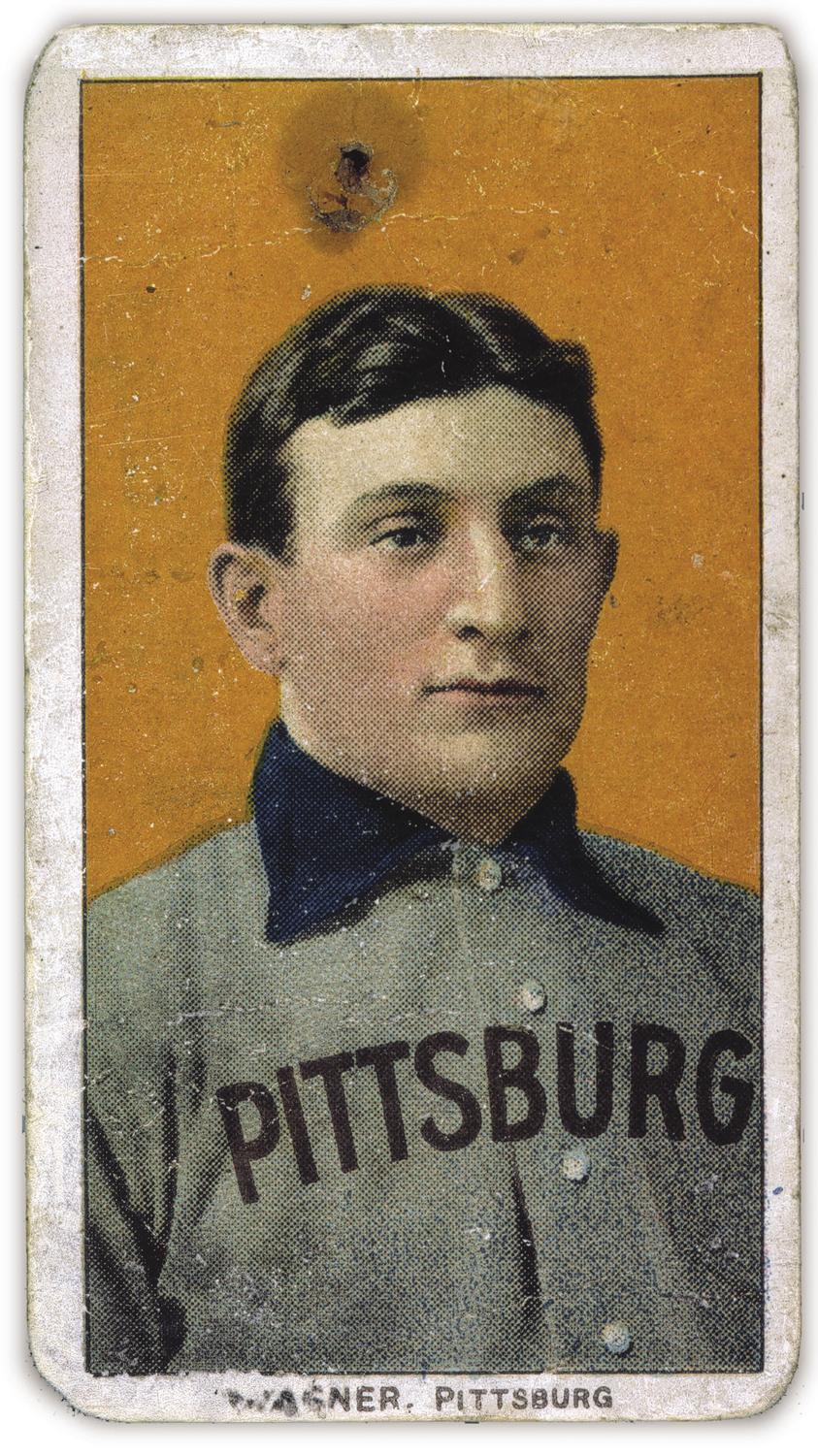
He favors Cobb with such a bias that he writes: "In Honus Wagner [the Pirates] had a marquee star who had almost all of Cobb's ability and none of his charisma..." (223). Now, there's a lot wrong there. Not so fast. Wagner had ALL of Cobb's abilities--including hits (Cobb 4,189; Wagner 3,420) average (.366 to .328) and stolen bases (963 to 897). The point isn't that Wagner surpassed the numbers; the point is we're talking about 2 all-time greats playing at the same time, amassing very similar numbers. And Wagner never saw the live ball era of the 1920s as Cobb did. Wagner retired in 1917 while Cobb hung up his spikes in 1928. Had they played during exactly the same years, their numbers would be closer. Though Cobb may have a slight edge with the bat, the numbers show that Wagner could have matched them, but didn't. Why? Perhaps the Pirates didn't need him to.
But the point Leerhsen never makes in his whole 400+ page book is that on defense for his career, Cobb owes 10 games to the Tigers (his defensive WAR is -10), while for his career Wagner gives his team +21 wins on defense. That's a swing of 30 games, which Cobb's 38 points of batting average, 700 hits and 66 stolen bases don't compensate for. (Cobb played 3 more years than Wagner, and Honus never saw the lively ball of the 20s.) Cobb was known as an average to below-average defender, at best, while Wagner made other players' jaws drop at shortstop. He played Gold Glove- caliber defense every day, according to his contemporaries, in The Glory of their Times. All of the players said Wagner was better than Cobb because of Wagner's defense, and that they all stood around and watched as Wagner hit. Nobody says that about Cobb.
Also consider Cobb's behavior. Leerhsen makes it clear that he was nowhere near the crazy butthole everyone thinks--but he also makes it clear that he was a pain in the ass to his own teammates, to anyone who got in his way on the basepaths (I can let that slide, as the players did. See what I did there?), to the team management that usually coddled him and adopted him, and to fans, both for him and against him. Did Cobb assault a black waiter? No, he didn't. Did he dislike African-Americans in general? The evidence says No, that he was indifferent, and that he was for them if they were good ballplayers, like how he spoke in favor of Jackie Robinson. Did he kill 3 people, as has been said? Nope.
But did he jump into the stands and beat the crap out of a paraplegic? Yes, he did! Did he slide with his spikes up? Yes, he did, but only if you were in his direct line on the basepaths. And if you were at a base, including home, he usually slid away from you. Did he say bad things to almost everyone, including his teammates, kids and wives? Yes. Did he drink too much as he got older and turn nasty? Yes, he did. You get the idea. Now, did Wagner do any of those things while active? Was the whole Pirates team against him? Did he piss off his ownership? Did he assault the disabled and chase after umpires and fight almost every guy he knew? Nope. And does that translate into a better team, so that it could be said that he helped his team by not being a butthole like Cobb was? You bet. (Though, like Cobb, Wagner drank too much when he got old. But while alcohol made Cobb angry, bitter and mean, the sauce just made Wagner babble incessantly, and start baseball stories that could last an afternoon.) In a nutshell, that's the argument Bill James makes when he says that Ted Williams was a better hitter than Stan Musial, but not a better ballplayer (or left fielder).
It's not clear by the numbers that Cobb was that much better than Wagner with the bat (though I'll concede the point that he may have been a little bit, like Ruth over Gehrig), but it's also very clear that Wagner was the much better defender and clubhouse presence. I don't give much credence usually to the latter, but I do when we're talking about a chronic problem like Cobb, though he may not have been the psychotic we've been led to believe he was. Having read this book, I see him now as a Jimmy Piersall type of neurotic, a nervous and anxiety-ridden guy, with an ability ten thousand times that of Piersall. But essentially the same temperament.
So that's what we've got here. The author makes the mistake of celebrating himself too much--ironic, since that's what he shows Cobb did too much, which made his teammates dislike him. He was better than they were, and different, and smarter, and faster, and that also made them dislike him. In fact, the T206 guys on his team actively bullied him, to the point that a few of them were suspended by the team. I don't criticize Cobb for this, though one would think he could have somehow handled it better. After all, Wagner was better than all of the Pirates of his time, and nobody taunted him or beat him up, even when he was a rookie. But Leerhsen says at least 12 times (I stopped counting) that Wagner (and Lajoie, and Elmer Flick, and other HOFers of the time) were grunts with a lunchpail, guys who would be in the mines without baseball, boring guys with no personality--I'm not making this up, or exaggerating. Leerhsen calls them these things.
Well, hell, I used to know a lot of people I thought were interesting, who did a lot of crazy things, who hurt a lot of good people, either emotionally, mentally or physically (or all of the above), but weren't they fun and exciting? But then I grew up, and I saw that stable and consistent behavior is a helluva lot more interesting than the crazy, destructive and self-destructive crap I saw the "exciting" people do. Those latter people flamed out, or exited from my life, stage left, (or both) and I replaced them with stable and consistent people with different things about them that were exciting and interesting.
Which ones would you rather work with for 20+ years? Exactly. Turns out, consistent and stable people make your job (and therefore your life) easier. Leerhsen gets caught up in his own cult of personality, like Cobb did in his, and it made them both pale in comparison.
So if you like the T206 era as I do, and you're interested in who Ty Cobb was, like I am, you should read this, and you'll find it interesting. It's informative, it sets the matter of Cobb straight, and it's a good read.
But like those guys who keep repeating the same thing, and it's believed because it's on the internet, or it's in print, or it's what you want to hear, or it's said by someone in some sort of power--Well, don't believe everything you read, you know? Ironic, because that's the point of this book, and Leerhsen proves his point in a way that he doesn't want to. But there it is.